Contractors
Coordinate excavation, grading, drilling, or site work around known evidence and unresolved conditions.
Find and document private underground utilities before excavation, construction, or property improvements change the site. SafeLine combines electromagnetic locating, GPR investigation, and project-scoped documentation.
Based in Mechanicsville, Virginia. Coverage is confirmed by project scope, access, and scheduling.
Virginia private locating
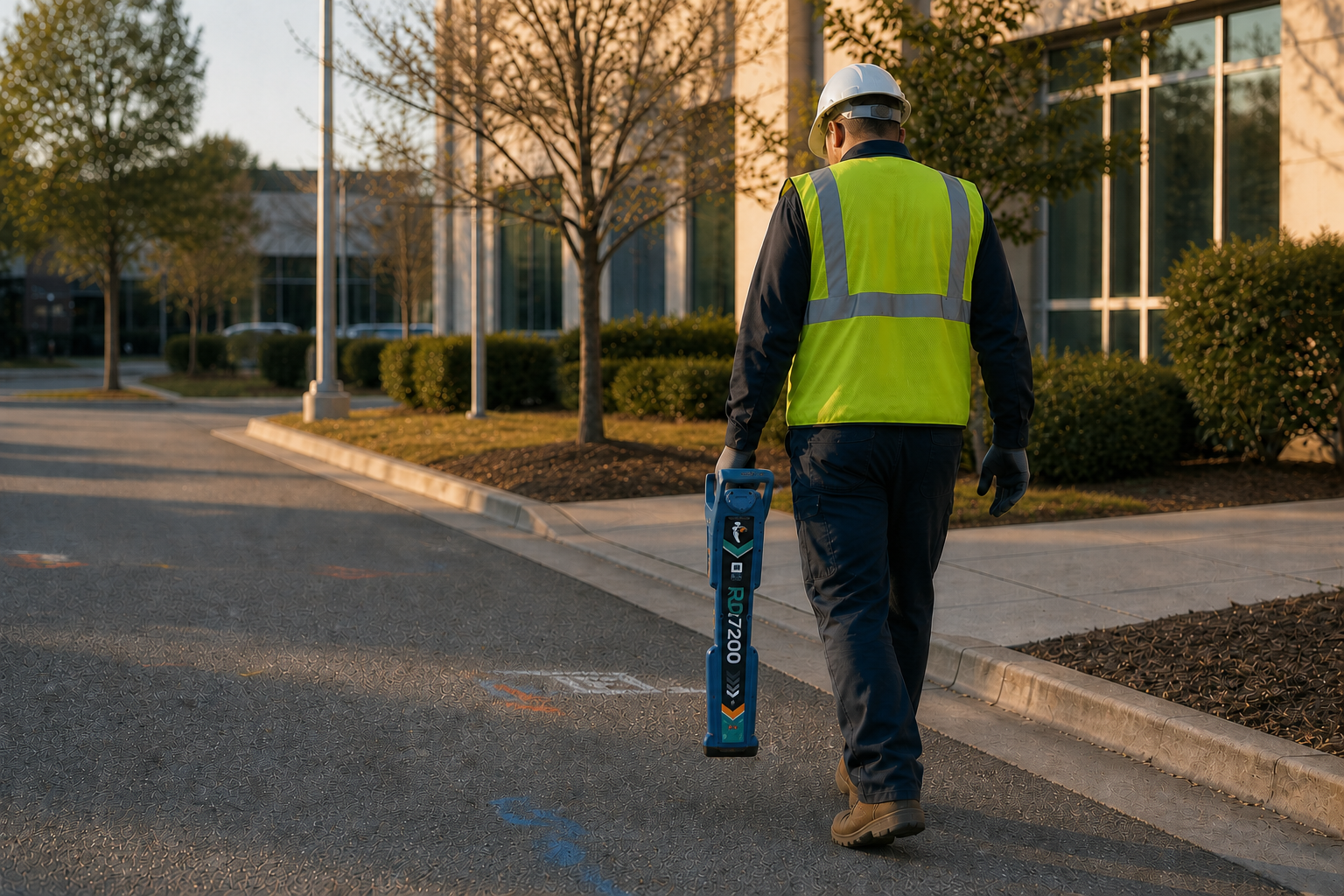
SafeLine Subsurface provides project-scoped private utility locating for Virginia contractors, developers, municipalities, engineering teams, and property owners.
An 811 ticket is an essential part of planning ground-disturbing work, but public marking does not answer every private-property question. A private investigation helps the project team understand what may be beyond the public mark-out, what evidence is available, and where verification may still be warranted.
Richmond and Central Virginia projects stay on this Virginia page. Coverage is confirmed by the project address, planned disturbance, site access, and scheduling, not by a blanket city promise. Northern Virginia and Washington, DC context lives on the service-area hub, so this page does not repeat the general Virginia and DC commercial section.
Built around the work
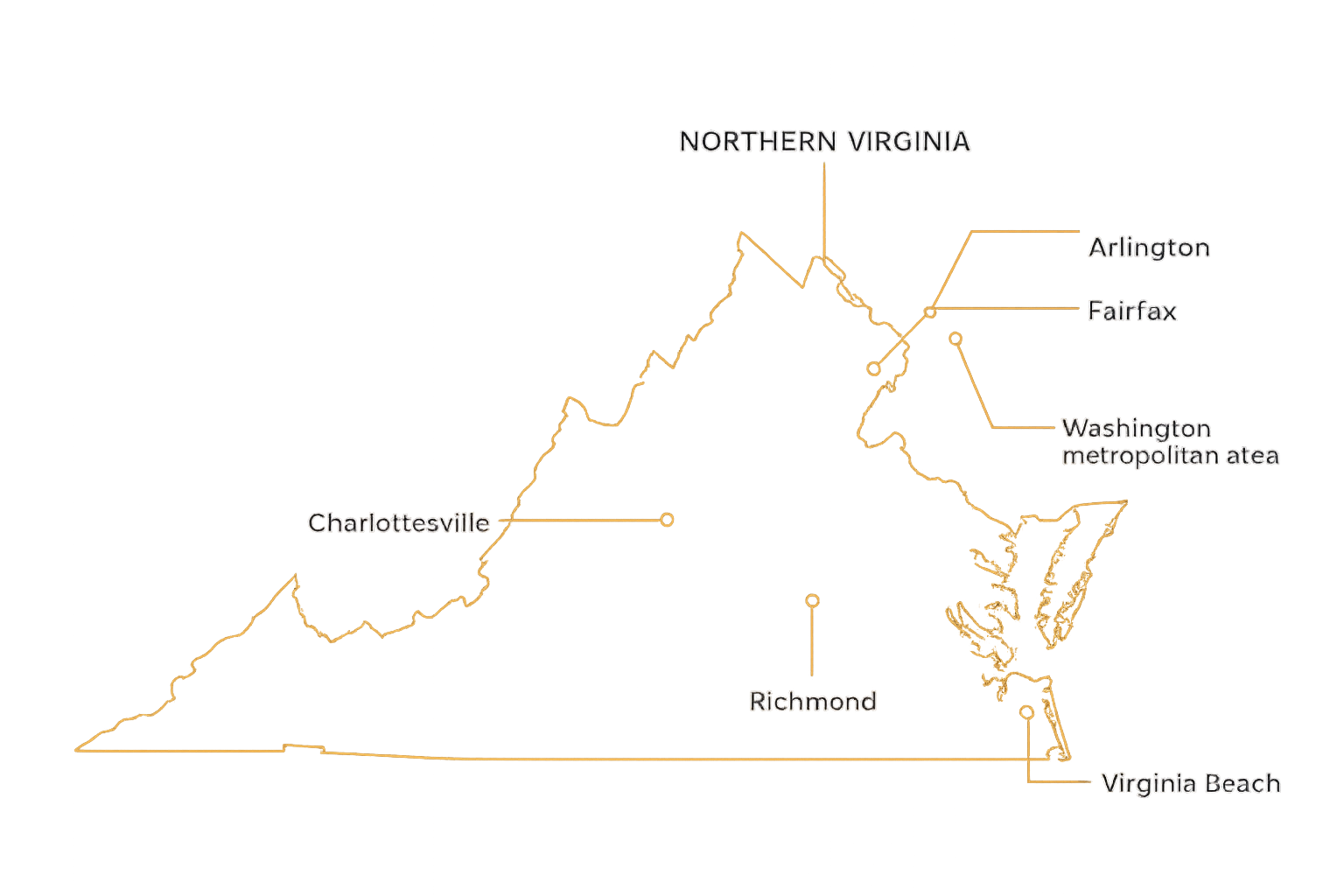
The investigation is scoped around what the team needs to decide, not around a one-size-fits-all equipment package.
Coordinate excavation, grading, drilling, or site work around known evidence and unresolved conditions.
Bring subsurface constraints into site planning before design and construction decisions move downstream.
Support roadway, infrastructure, and capital-project coordination with a documented field record.
Understand private lines that may affect a pool, fence, addition, landscaping, or other improvement.
Methods matched to the site
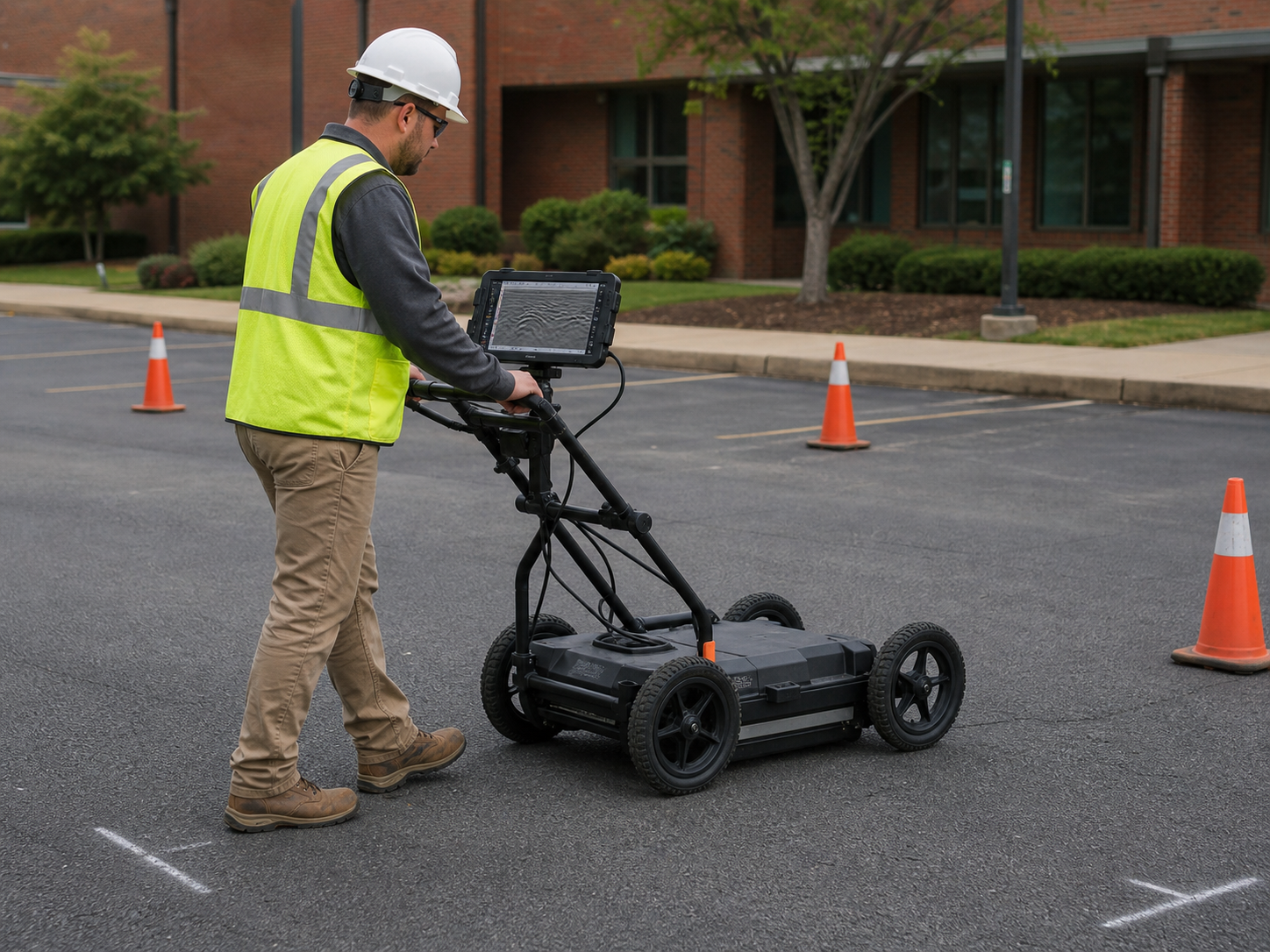
SafeLine uses electromagnetic (EM) locating alongside GPR and concrete scanning so the method can follow the utility material, access, ground conditions, and project question.
Investigation process
The Virginia page is a service path, but the work remains project-specific. SafeLine confirms the location, planned disturbance, available information, access, and required output before field work.
01Scope
Understand the site, intended work, and decisions the project team needs to make.
02Investigate
Apply the field methods appropriate to the site and the infrastructure in question.
03Classify
State confidence in findings instead of presenting uncertainty as exactness.
04Document
Deliver a defensible record in formats that fit contractor and engineering workflows.
ASCE 38-aligned methodology
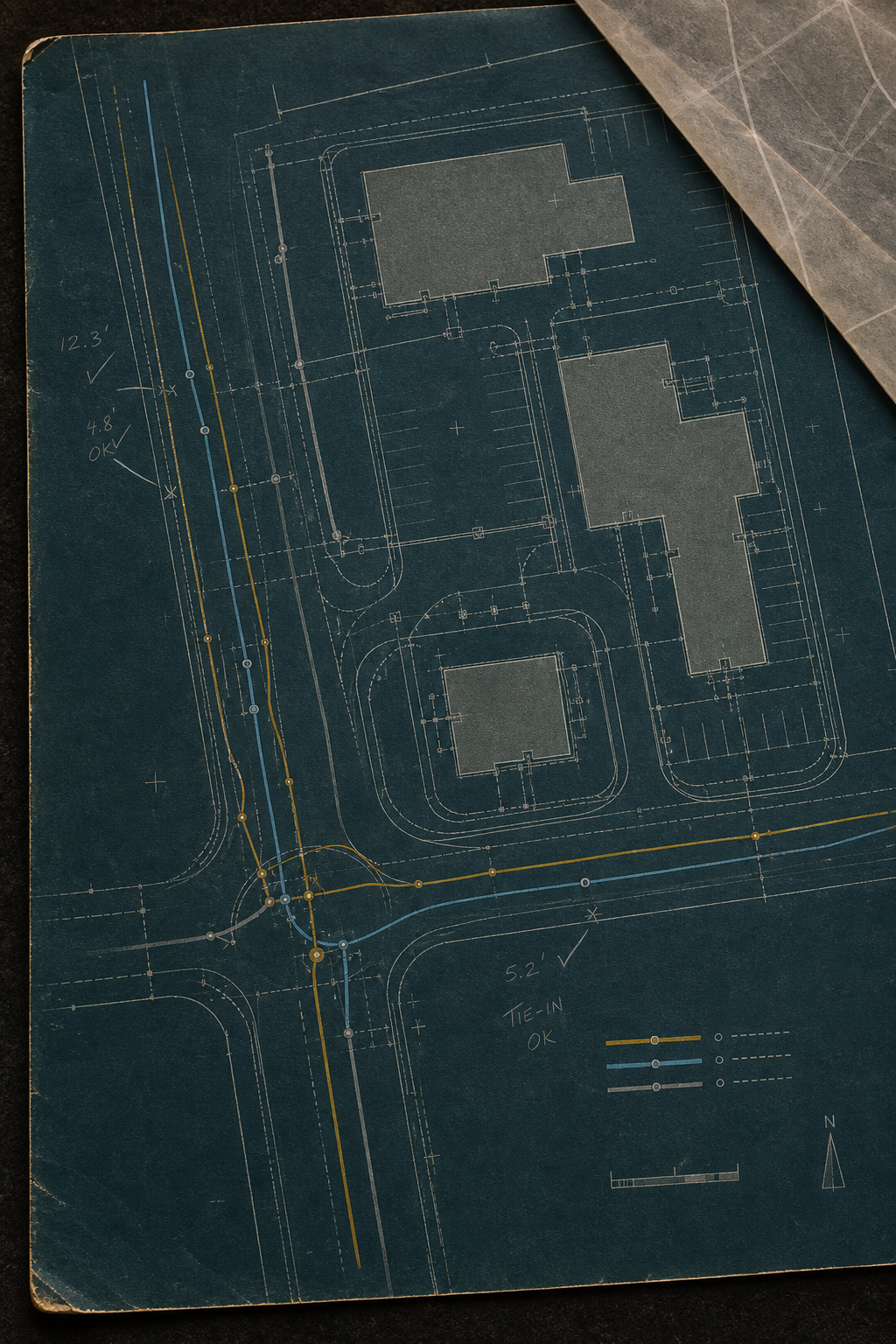
Deliverables are matched to the project need and may include field designation, utility maps, KMZ files, congestion context, or verification recommendations. SafeLine documents what the evidence can support rather than promising exact depth or complete detection.
Virginia project questions
Clear scope and honest limitations help project teams decide what to request before excavation or construction.
No. Follow the applicable Virginia one-call requirements and submit the 811 ticket before digging. Public utility marking and private utility locating address different ownership scopes, so private locating can add investigation of privately owned lines that may not be included in the public mark-out.
Depending on the project scope and site conditions, SafeLine may investigate privately owned electrical, gas, water, sewer, fiber-optic, telecommunications, and irrigation infrastructure within the defined work area.
Contractor excavation, commercial development, roadway or infrastructure work, additions, landscaping, pools, fences, and other projects that disturb the ground can benefit when privately owned lines may cross the work area. SafeLine confirms fit during scoping.
Electromagnetic locating can trace conductive utilities when the signal and access support it. GPR can investigate non-conductive or untraceable targets and other subsurface anomalies when site conditions permit. The methods are complementary, not interchangeable.
No. Subsurface findings depend on ground conditions, target characteristics, access, congestion, and survey design. SafeLine documents interpreted findings with confidence and limitations rather than presenting uncertainty as a guarantee.
For broader questions about SafeLine's methods and deliverables, visit the full FAQ or compare private locating and 811.
Share the Virginia project address, planned disturbance, site access, and the deliverable you need. SafeLine confirms coverage and scheduling during scoping.
Virginia and Washington, DC